史鉴
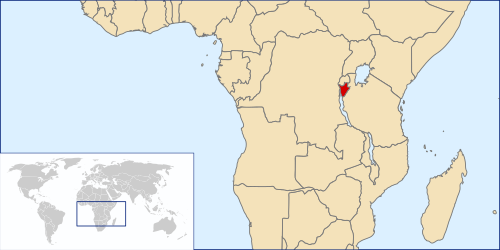
图:User:Rei-artur · CC BY-SA 3.0 · 维基共享资源
- 存在时间
- 1680 年—1966 年 11 月 28 日
- 首都
- 布琼布拉、基特加
- 政体
- 君主制
- 货币
- 刚果法郎、布隆迪法郎、德属东非卢比、Rwanda and Burundi franc
- 后继
- 布隆迪、布隆迪
- 类型
- 历史国家
- 所在大洲
- 非洲
- 简述
- former kingdom in Central/Eastern Africa up to 1966
布隆迪王国(法语:Royaume du Burundi),旧名乌隆迪王国(法语:Royaume d'Urundi),是布隆迪历史上存在的一个君主制政权。
16世纪,当地部族成立乌隆迪王国。19世纪,乌隆迪王国先后沦为德国和比利时的殖民地。二战后,联合国又将布隆迪交还给比利时托管。1962年7月1日,乌隆迪王国宣布独立,并更名为布隆迪王国。1966年11月28日,王国政府被推翻,成立布隆迪共和国。
正文摘自中文维基百科「布隆迪王国」(删去了参考文献、表格和图片),按 CC BY-SA 4.0 使用
英文维基百科的更多内容
中文维基百科这一条比较短,下面是英文维基百科同一条目的节选,原文为英文,未翻译。
The Kingdom of Burundi (French: Royaume du Burundi), also known as Kingdom of Urundi (Kirundi: Ubwami bw'Urundi), was a Bantu kingdom in the modern-day Republic of Burundi. The Ganwa monarchs (with the title of mwami) ruled over both Hutus and Tutsis. Created in the 16th century, the kingdom was preserved under German and Belgian colonial rule in the late 19th and early 20th century and was an independent state between 1962 and 1966.
History
Early history and expansion
The date of the foundation of the Kingdom of Burundi is unknown, and the exact context of the state's foundation are disputed. The region was originally inhabited by Twa hunter-gatherers before the influx of Bantu farmers from about the 11th century. The valleys and hills became home to a patchwork of farmers, fishermen, and foragers. Pastoralists (associated with cattle) arrived in waves. Based on societal and oral traditions, it is generally believed that the region's pastoralists were the ancestors of the later Tutsi ethnic group, while the agriculturalists became the Hutus, however the exact origins of Burundi's ethnic groups remain unclear and disputed. Many local and regional dynasties developed, eventually coalescing around two political centres; one in the north and one in the south.
The Kingdom of Burundi was founded by first mwami Ntare I (r. c.1680–1705), who unified the two centres; the commonly accepted founding date is 1680. There are differing versions of Burundian oral history. In all versions, Ntare brings rain and ends a famine. According to the "Kanyaru cycle", Ntare's royal clan and its associates were related to Rwanda's royal family, and had migrated from Rwanda to Burundi; in turn, this royal clan might have originally been Hima pastoralists from southern Ethiopia. Another telling of the events, provided by the "Nkoma cycle" suggests that the state's founders were ethnic Hutu and had migrated from Buha (modern Kigoma Region) to Nkoma before arriving in Burundi.……
Politics and society
The Kingdom of Burundi was led by the mwami who presided over a large and powerful aristocracy. Before Burundi's colonization, the kingdom was highly decentralized; though this number fluctuated, on average there were 220 powerful noble lineages. The regional elite often held wide independence under the nominal overlordship of the mwami. As a result of the nobility's power as well as the infighting within the royal family, the power of the mwami remained rather limited during the kingdom's existence. In general, the noble and powerful ganwa lineages could autonomously rule their fiefdoms as long as they paid taxes and provided troops to the king in times of war; they often fought each other. However, the mwami were highly respected and revered as the "embodiment of God".
The traditional symbol of the Burundian monarchy were the royal drums. The most important of these instruments was the inkiranya, a holy drum allegedly created by the first mwami. The royal drums were kept at a special sanctuary, guarded by certain Hutu families, and used during festivals, rituals, and royal ceremonies. The flag of the kingdom contained a karyenda drum in the center as a symbol of royal authority.
Colonial system
After the colonization of Burundi, a series of colonial residents were appointed to oversee the country, first by Germany and then by Belgium. These residents had far-reaching power, and also involved themselves in the internal politics of the kingdom.……
Legacy
Most members of the royal house live in exile in France today. In the 2005 elections, Princess Esther Kamatari ran for president for the Party for the Restoration of Monarchy and Dialogue in Burundi (Abahuza). Supporters believe that a restoration of a constitutional monarchy could help to ease the country's ethnic tensions.
The royal drums have also survived the kingdom, and are still used up until the present day. Burundi has even become famous for its drummers.
正文摘自英文维基百科(原文为英文,未翻译)「Kingdom of Burundi」(节选,删去了参考文献、表格和图片),按 CC BY-SA 4.0 使用;在维基百科读全文 ›
同时期、同地区的政权