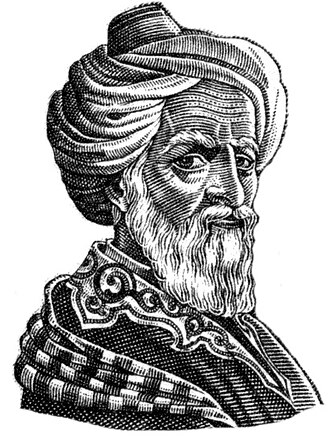
史鉴
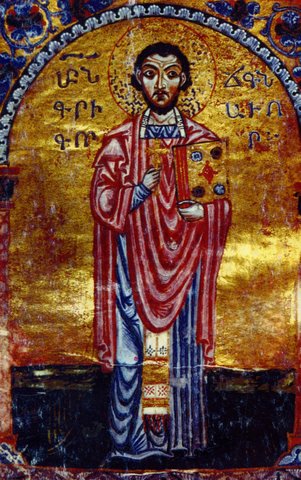
图:MarshallBagramyan · Public domain · 维基共享资源
- 生卒
- 951 年—1003 年
- 出生地
- Yemişlik
- 去世地
- 纳雷科
- 身份
- 诗人、音乐家、神学家、哲学家
- 父亲
- Khosrov of Andzev
- 原文名
- Գրիգոր Նարեկացի
- 简述
- Armenian monk
纳雷科的圣额我略(亚美尼亚语:Գրիգոր Նարեկացի Grigor Narekatsi;951年—1003年),是一名亚美尼亚修士,诗人,神秘主义哲学家、神学家,亚美尼亚使徒教会及天主教会尊敬的圣人。额我略出生于文学气息浓厚的家庭,从小接受了良好的教育,他终生居住的纳雷科修道院后成为中世纪时亚美尼亚重要的学术中心。纳雷科的圣额我略是位杰出的神学家,也是亚美尼亚文学上举足轻重的诗人,他被称为“亚美尼亚第一位伟大的诗人”。
纳雷科的圣额我略著有诸多著作,值得一提的是《童贞荣福玛利亚赞颂词》和第80篇祈祷文,题名为《从内心深处与天主之母相会》。圣人在这篇祈祷文中呈现了他被诸多失望的理由所淹没,却仍表达出炽热的爱,确信天主之母必定会予以援助。收录了额我略95篇祈祷文的祈祷之书(Book of Prayers),也称作悲歌之书(Book of Lamentations),是亚美尼亚文学中最为世人所知的作品之一。
额我略早已同时被亚美尼亚礼天主教会与亚美尼亚使徒教会尊为圣人。天主教拉丁礼教会承认他的圣德是“在教义、著作和神秘学上的卓越成就”,《罗马殉道圣人录》记载了他的这些圣德,订定每年2月27日纪念他。于2015年2月21日,教宗方济各批准了罗马教廷封圣部的决议,宣布他为普世教会圣师之一。2015年4月12日(救主慈悲主日),在纪念亚美尼亚种族大屠杀发生一百周年的弥撒中,教宗方济各正式将纳雷科的圣额我略册封为教会圣师。
正文摘自中文维基百科「纳雷科的圣额我略」(删去了参考文献、表格和图片),按 CC BY-SA 4.0 使用
英文维基百科的更多内容
中文维基百科这一条比较短,下面是英文维基百科同一条目的节选,原文为英文,未翻译。
Grigor Narekatsi (Armenian: Գրիգոր Նարեկացի; anglicized as Gregory of Narek; c. 950 – 1003/1011) was an Armenian mystical and lyrical poet, monk, and theologian. He is venerated as a saint in the Armenian Apostolic and Catholic Churches and was declared a Doctor of the Church by Pope Francis in 2015.
The son of a bishop, Gregory was educated, ordained, and later stationed at Narekavank on the southern shores of Lake Van (modern Turkey). Scholars consider Gregory the most beloved and significant theological and literary figure of the Armenian religious tradition.
He is best known for his Book of Lamentations, a significant piece of mystical literature which serves as a confessional prayer book in many Armenian religious households. His works have inspired many Armenian literary figures and influenced Armenian literature throughout the ages.
Life and background
Scholars place Gregory's birth and death dates circa 945–951 and 1003 or 1010–11, respectively. He lived in the Kingdom of Vaspurakan, a medieval Armenian kingdom, which is "notable for the high cultural level that it achieved." Vaspurakan, centered around Lake Van, is a region described by Richard Hovannisian as "the cradle of Armenian civilization".
Little is known about his life.……
Works
Book of Lamentations (Narek)
The Book of Lamentations (Classical Armenian: Մատեան ողբերգութեան, Matean oghbergut'ean) is widely considered Gregory's masterpiece. It is often simply called Narek (Նարեկ). Completed towards the end of his life, c. 1002–03, the work has been described as a monologue, a personal lyric and confessional poem, mystical and meditative. It comprises 95 chapters and over 10,000 lines. Almost all chapters (except two) are titled "Words unto God from the Depths of My Heart".……
Commentary on the Song of Songs
Gregory's second most known extant work is a commentary on the Song of Songs (Մեկնութիւն երգոց երգոյն Սողոմոնի, Meknut'iun ergots' ergoyn Soghomoni), written in 977, the year he was ordained a priest.……
Outlook and philosophy
The central idea of Gregory's philosophy is eternal salvation relying solely upon faith and divine grace, and not necessarily upon the institutional church, in which his views are similar to those of the 16th century Protestant Reformation. This interpretation of Gregory as a precursor of Protestantism has more recently been challenged. Gregory may have been suspected of heresy and being sympathetic to the Paulicians and Tondrakians—two major sects in medieval Armenia.……
Recognition
Gregory was the first major Armenian lyrical poet and is considered the most beloved person in Armenian Christianity. Robert W. Thomson described him as the "most significant poet of the whole Armenian religious tradition," while Jos Weitenberg declared him the "most outstanding theological, mystical and literary figure of Armenian culture." James R. Russell lists Gregory as one of the three visionaries of the Armenian tradition, along with Mesrop Mashtots and Yeghishe Charents.
Critique
France-based Western Armenian writer Shahan Shahnour has been Gregory's most prominent critic.……
Veneration
Armenian Apostolic Church
The Armenian Apostolic Church celebrates his feast on the second Saturday of October, during the Feast of the Holy Translators (Սուրբ Թարգմանչաց, Surb T'argmanch'ats'). Dedicated to him, Mesrop Mashtots, Yeghishe, Movses Khorenatsi, David the Invincible, and Nerses Shnorhali, it was declared a national holiday in Armenia in 2001.……
Catholic Church
The Armenian Rite has always been practiced to some degree in the Catholic Church.……
Legacy
Literary influence
Gregory influenced virtually all Armenian literature that came after him. Manuk Abeghian argued that his mark on Armenian Christian literature was "comparable to Homer for Greek and Dante for Italian." Grigor Magistros Pahlavuni (c. 990–1058) is considered his direct literary successor. Scholars have noted Gregory's influence on Armenian poets—medieval and modern ones alike. He inspired prominent medieval poets Hovhannes Imastaser (c.……
Tributes
Narek (Western Armenian: Nareg) is a common male first name among Armenians.……
正文摘自英文维基百科(原文为英文,未翻译)「Gregory of Narek」(节选,删去了参考文献、表格和图片),按 CC BY-SA 4.0 使用;在维基百科读全文 ›
同时代、同地区的人物