史鉴
何塞·玛丽亚·莫雷洛斯
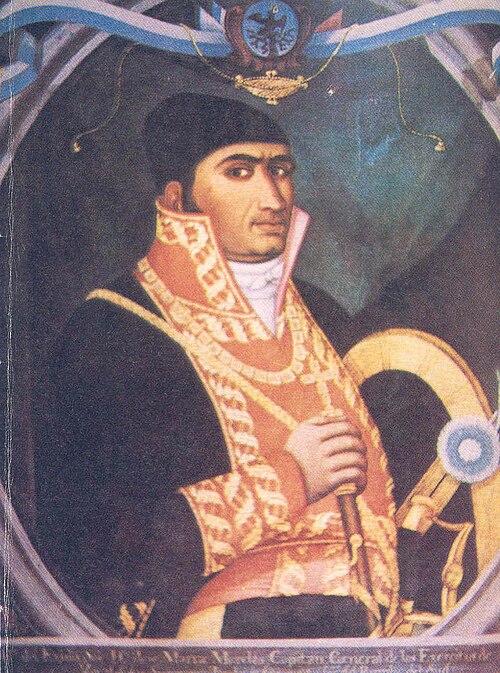
图:佚名 · Public domain · 维基共享资源
- 生卒
- 1765 年 9 月 30 日—1815 年 12 月 22 日
- 出生地
- 莫雷利亚
- 去世地
- 埃卡特佩克莫雷洛斯
- 身份
- 军人、政治人物、天主教神父、freedom fighter
- 子女
- 胡安·阿尔蒙特
- 参与
- 墨西哥独立战争
- 宗教
- 天主教
- 就读
- Universidad Michoacana de San Nicolás de Hidalgo
- 军衔
- 大元帅
- 死因
- 枪伤
- 简述
- Mexican priest and rebel leader Me War in the notice Independence (1765–1815)
何塞·玛丽亚·莫雷洛斯(西班牙语:José María Morelos,1765年—1815年),墨西哥革命家,墨西哥独立战争主要领导人之一。麦士蒂索人。
出身于瓦拉多利德(今莫雷利亚)的贫苦的印欧混血种人家庭,早年在农村种地,在阿卡普尔科与墨西哥城之间的商路担任马伕,1789年在伊达尔哥任教的圣尼古拉斯学院读书,毕业后派赴乡间教区供职,1799年在米却肯州的Carácuaro担任神父。因出身微贱,受教会歧视。1810年9月伊达尔哥领导的革命爆发后,立刻赶赴参加,组织所在教区反殖武装,并围攻阿卡普尔科城。1811年,伊达尔哥被捕之后,他接替担任独立战争领导人,在墨西哥西南部丘陵组织游击队,控制了南部部分地区,多次挫败西班牙军,占领夸乌特拉、瓦哈卡、阿卡普尔科等重要城镇,组建政权,兴办兵工厂和铸币厂,还创办《南美邮报》,宣传独立思想。1813年在所控制地区召开国民议会,1813年,召开战区代表会议,起草纲领性文件《民族意识》,主张完全独立,建立共和国,废除奴隶制,反对种族歧视,分配教会和大庄园主土地归农民所有,对外实行和平外交等。会上当选最高统帅和独立政府首脑。11月6日在奇尔潘辛戈宣布墨西哥共和国独立,12月率军北上攻打巴亚多利德失利,引咎辞职回南方进行游击战。1814年10月通过共和国宪法(《墨西哥美洲自由制宪法令》),建立共和、废除奴隶与社会和种族不平等的制度。被任命为三人执政委员会成员。1815年11月5日掩护独立政府撤退途中,被西班牙殖民军打败被俘虏,12月22日被秘密处死,遗体最后葬于独立纪念柱下,后继者仍继续游击作战。
详细介绍
纪念
莫雷洛斯州,墨西哥的1个州,得名于莫雷洛斯。
莫雷利亚,墨西哥城市,得名于莫雷洛斯。
1997年,墨西哥钱币50比索有莫雷洛斯的肖像。
正文摘自中文维基百科「何塞·玛丽亚·莫雷洛斯」(删去了参考文献、表格和图片),按 CC BY-SA 4.0 使用
英文维基百科的更多内容
中文维基百科这一条比较短,下面是英文维基百科同一条目的节选,原文为英文,未翻译。
José María Teclo Morelos Pérez y Pavón (Spanish: [xosemaˈɾi.a ˈteklo moˈɾelos ˈpeɾes i paˈβon] ; 30 September 1765 – 22 December 1815) was a Mexican Catholic priest, statesman and military leader who led the Mexican War of Independence movement, assuming its leadership after the execution of Miguel Hidalgo y Costilla in 1811.
Born in Valladolid, Michoacán, Morelos studied at Colegio de San Nicolás and was appointed priest of Carácuaro in 1799. He joined Miguel Hidalgo's Cry of Dolores, soon becoming an insurgency leader. Aided by local peoples, along with revolutionary leaders Mariano Matamoros and Ignacio López Rayón, Morelos occupied territories in southern and central New Spain, leading the Siege of Cuautla and capturing Acapulco, New Spain's main port in the Pacific Ocean. His campaigns galvanized regional insurgencies against Spanish rule, which made him the royalist army's main rival.
In 1813, Morelos wrote Sentimientos de la Nación, a document influenced by the Constitution of Cádiz where he outlined his program for the Mexican nation. Under his leadership, the Congress of Anáhuac was installed in Chilpancingo, and on 6 November 1813 declared the independence of Mexico. On 22 October 1814, the Constitution of Apatzingán drafted by Congress declared that Mexico would be a Republic.
After a series of defeats, Morelos was captured by the royalist army in Temalaca, Puebla. He was tried by the Inquisition, defrocked as a cleric, and executed by civil authorities in San Cristóbal Ecatepec on 22 December 1815. Morelos is considered a national hero in Mexico, who despite not having a military background became a successful insurgency leader, credited with organizing and bolstering the War of Independence. The Mexican state of Morelos and city of Morelia are named after him.
Early life
Morelos was born in Valladolid, since renamed Morelia. Although often portrayed as being of "mixed" or "indigenous" descent, Morelos was classified as a Spaniard (español) in his baptismal register, a system in which the Catholic Church kept separate registers for ethnic affiliation. Although ethnic affiliation was fluid in colonial Spanish America, his family was considered as Spaniard according to the social categories of the time. His paternal ancestry included Spaniards, Africans, and Mestizos, whereas his maternal family was fully Spanish.
His father was José Manuel Morelos y Robles, a carpenter originally from Zindurio, a village west of Valladolid.……
Insurrection against the Spanish monarchy
The former rector of the Colegio de San Nicolás Obispo (where Morelos attended seminary), Miguel Hidalgo y Costilla was planning with others for the independence of New Spain from the Spanish empire. About 6:00 a.m. on 16 September 1810, Hidalgo, then the parish priest of Dolores, Guanajuato (since renamed Dolores Hidalgo in his honor), ordered the church bells to be rung, and gathered his congregation.……
Legacy
Morelos is considered a national hero of Mexico; the state of Morelos and city of Morelia are named after him. Morelos has been portrayed on the 50-peso note since 1997, and on 1-peso coins during the 1940s, 1970s and 1980s. The Estadio Morelos in Morelia, Puerto Morelos in the state of Quintana Roo, the Morelos Station
on the Mexico City Metro, the city of Ecatepec de Morelos in Mexico State where he was executed, Insurgente José María Morelos y Pavón National Park in Michoacán, and the Morelos Satellite from the Communications company Satmex are also named after him. His remains were transferred to the Monument to Independence El Ángel in Mexico City, along with those of other heroes of the insurgency.……
正文摘自英文维基百科(原文为英文,未翻译)「José María Morelos」(节选,删去了参考文献、表格和图片),按 CC BY-SA 4.0 使用;在维基百科读全文 ›
参与的事件
- 墨西哥独立战争1800 年 9 月 16 日—1821 年 9 月 27 日 · 战争 · 北美洲
同时代、同地区的人物





同时代、同身份的人物(帝王与政治)