史鉴
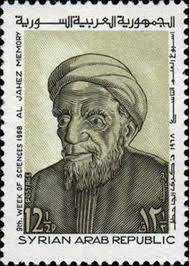
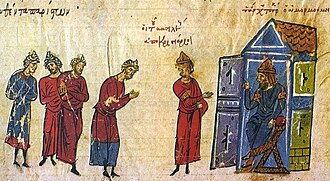
图:Syrian Post · Public domain · 维基共享资源
- 生卒
- 775 年—868 年 12 月
- 出生地
- 巴士拉
- 去世地
- 巴士拉
- 身份
- 作家、诗人、知识分子、历史学家、动物学家、生物学家、文学评论家、哲学家
- 代表作
- Kitāb al-Hayawān、The Book of eloquence and demonstration、Book of Misers、Pros and Cons、al-Rasāʼil、al-Rasāʼil al-siyāsīyah
- 原文名
- عمرو بن بحر بن محبوب الكناني البصري
- 别号
- الجاحظ、أبو عُثمان
- 宗教
- 伊斯兰教
- 领域
- 伊斯兰哲学、伊斯兰教神学派别
- 死因
- 踏刑
- 简述
- Arabic writer (776–869)
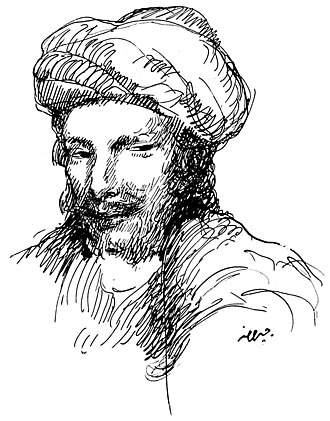
贾希兹(阿拉伯语:الجاحظ),意为“凸眼者”,本名阿布·乌特曼·阿慕尔·伊本·巴哈尔 (阿拉伯语:أبو عثمان عمرو بن بحر الكناني البصري)。约776年—869年,阿拉伯博物学者,穆尔太齐赖派的代表之一,提倡运用理智,较自由地讨论伊斯兰教信条,并借助希腊哲学研究教义,著有多部文学、神学、动物学、哲学、修辞学和语言学著作。。
贾希兹现存著作中最为人所知的是七卷的《动物书》,记录动物生态、分布、迁徙及食物链关系,被认为涉及了自然选择和动物行为学的原理和生态系统的功能。此外还有《修辞和阐释》、《吝人传》与《方圆书》等,他开创了“艾达卜”文体,以生动活泼和富有风趣的形式传授知识和进行教育,对阿拉伯文学有着深远的影响。
详细介绍
主要著作
- 11世纪的著名阿拉伯书目编纂家伊本·奈迪姆列出了贾希兹所著的140种著作,其中的75种已失传,现存著作中重要的有:
- 《动物书》:记录动物生态、分布、迁徙及食物链关系,穿插诗歌、地理知识与社会风俗
- 《吝人传》:以百余篇故事刻画形形色色的悭吝者形象,确立了阿拉伯讽刺文学传统
《修辞与阐释》:从古代文学作品、演说和经文的写作,阐述修辞标准与方法,是阿拉伯文学批评史上的重要著作。
《方圆书》:论述有关科学、哲学、历史、文学的问题,其中引用了大量神话、传说和故事,具有重要科学和文学价值。
正文摘自中文维基百科「贾希兹」(删去了参考文献、表格和图片),按 CC BY-SA 4.0 使用
英文维基百科的更多内容
中文维基百科这一条比较短,下面是英文维基百科同一条目的节选,原文为英文,未翻译。
Abu Uthman Amr ibn Bahr al-Kinani al-Basri (Arabic: أبو عثمان عمرو بن بحر الكناني البصري, romanized: Abū ʿUthman ʿAmr ibn Baḥr al-Kinānī al-Baṣrī; c. 776–868/869), commonly known as al-Jahiz (Arabic: الجاحظ, romanized: al-Jāḥiẓ, lit. 'the bug eyed', [al.dʒaː.ħɪðˤ]), was a Muslim theologian, intellectual, and litterateur known for his Arabic prose works. A polymath who lived during the Abbasid Caliphate, he was the author of works of literature (including theory and criticism), theology, zoology, philosophy, grammar, dialectics, rhetoric, philology, linguistics, and politico-religious polemics. His extensive zoological work has been credited with describing principles related to natural selection, ethology, and the functions of an ecosystem.
From about 815 CE, he rose to become one of the literary figures around the Abbasid caliph al-Ma'mun (r. 813–833 CE). Although he held no official posts, he received funding from several Abbasid prime ministers, while also working as a scribe and a teacher. Al-Jahiz was part of the rationalist Mu'tazilite school of theology supported by al-Ma'mun and his two successors, Al-Mu'tasim (r. 833–842 CE) and Al-Wathiq (r. 842–847 CE).
Ibn al-Nadim lists nearly 140 titles attributed to al-Jahiz, of which 75 are extant. The best known are Kitāb al-Ḥayawān (The Book of Animals), a seven-part compendium on an array of subjects with animals as their point of departure; Kitāb al-Bayān wa-l-tabyīn (The Book of Eloquence and Exposition), a wide-ranging work on human communication; and Kitāb al-Bukhalāʾ (The Book of Misers), a collection of anecdotes on stinginess. Known for his significant engagement with religious and scholarly texts, al-Jahiz was one of the earliest Muslims to make use of biblical material in Arabic translation.……
Life
The actual name of al-Jahiz was Abū ʿUthman ʿAmr ibn Bahr ibn Maḥbūb. His grandfather, Maḥbūb, was a protégé or mawali of ‘Amr ibn Qal‘ al-Kinānī, who was from Arab Banu Kinanah tribe. Not much is known about al-Jāḥiẓ's early life, but his family was very poor.……
Career
While still in Basra, al-Jāḥiẓ wrote an article about the institution of the Caliphate. This is said to have been the beginning of his career as a writer, which would become his sole source of living. It is said that his mother once offered him a tray full of notebooks and told him he would earn his living from writing.……
Selected books
Kitāb al-Ḥayawān (كتاب الحيوان) 'Book of the Animal'
Kitāb al-Ḥayawān is an extensive zoological encyclopedia in seven volumes consisting of anecdotes, proverbs, and descriptions of over 350 animal species, including in-depth analyses of their ecosystems and behaviors. It was composed in honour of Muḥammad ibn ‘Abd al-Mālik al-Zayyāt, who paid him five thousand gold coins.……
On the Zanj ("Swahili coast")
Concerning the Zanj, he wrote:
Everybody agrees that there is no people on earth in whom generosity is as universally well developed as the Zanj. These people have a natural talent for dancing to the rhythm of the tambourine, without needing to learn it.……
Mu‘tazilī theological debate
Al-Jāḥiẓ intervened in a theological dispute between two Mu’tazilītes, and defended Abū al-Hudhayl al-'Allaf against the criticism of Bishr ibn al-Mu‘tamir. Another Mu‘tazilite theologian, Ja‘far ibn Mubashshir, wrote a “refutation of al-Jāḥiẓ”.
Death
Al-Jāḥiẓ returned to Basra with hemiplegia after spending more than fifty years in Baghdad. He died in Basra in the Arabic month of Muharram in AH 255/December 868 – January 869 AD. His exact cause of death is not clear, but a popular assumption is that al-Jāḥiẓ died in his private library after one of many large piles of books fell on him, killing him instantly.
正文摘自英文维基百科(原文为英文,未翻译)「Al-Jahiz」(节选,删去了参考文献、表格和图片),按 CC BY-SA 4.0 使用;在维基百科读全文 ›
受其影响的人物
同时代、同地区的人物