史鉴
- 存在时间
- 9 世纪—1589 年 (Wikidata 的日期只记到世纪,非确切年份)
- 首都
- 汤都区
- 所属
- Indûng Kapampángan
- 类型
- 历史国家、多民族国家
- 简述
- ancient Filipino polity on the northern part of the Pasig River delta from late 9th to 16th century
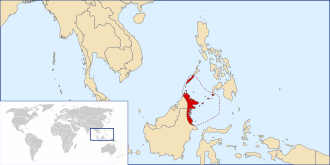
汤都(巴彦;菲律宾语:Bayan ng Tondo;梵语:तोन्दुन्),又译通度,中国古代又称东都,是菲律宾在西班牙人殖民前吕宋岛最主要的政体与印度化王国。该政体位于巴石河三角洲,濒临马尼拉湾。
在马来语中,“汤都”一词意为“蜡烛果”。
汤都约成立于公元900年,由多个巴朗盖组成。其统治者为世袭的拉干与达图。汤都地处海上丝绸之路北端,得益于与中国的贸易往来而积累了大量财富,并将中国商品转销至菲律宾群岛的其他地区。在与文莱帝国苏丹博尔基亚结盟期间,汤都的国力达到鼎盛。
除贸易外,汤都还发展了水稻种植业与冶金业,并以皮隆西托金币、金戒指及以物易物作为交易媒介。
1570年起,汤都开始与西班牙帝国接触。1589年,在汤都阴谋案失败后,汤都被西班牙彻底击败并失去独立地位,其领土随后被并入西属马尼拉市的一个区域。
正文摘自中文维基百科「汤都」(删去了参考文献、表格和图片),按 CC BY-SA 4.0 使用
英文维基百科的更多内容
中文维基百科这一条比较短,下面是英文维基百科同一条目的节选,原文为英文,未翻译。
Tondo (Tagalog: [tunˈdo]; Baybayin: ᜆᜓᜇᜓ, Kapampangan: Balen ning Tundo), also popularly known referred to as the Kingdom of Tondo, was a Tagalog and Kapampangan settlement which served as a major trade hub located on the northern part of the Pasig River delta on Luzon Island. Together with Maynila, the polity (bayan) which was also situated on the southern part of the Pasig River delta, Tondo established a shared monopoly on the trade of Chinese goods throughout the rest of the Philippine archipelago, making it an established force in trade throughout Southeast Asia and East Asia.
Tondo is one of the oldest historically documented settlements in the Philippines. It was mentioned in the Lord Namvaran's acquittance in 900 AD, also called the Laguna Copperplate Inscription, the oldest extant written document in the Philippines.
Manila, Tondo, and other Luzonian towns around Manila Bay and Laguna de Bay saw an influx of travelling Spanish warriors under Spanish royal command starting from 1570.
The Spaniards conspired to conquer the towns of Luzon for the Spanish king starting from the Manila Bay area. The Luzonian towns by the Manila Bay only started to capitulate to Spanish rule in 1571, including the traditional city of Manila (now called Intramuros), which was the capital of Luzon, and the town of Tondo. Tondo was afterwards ruled by the Spaniards from Manila.
Tondo's absorption into the Kingdom of the Spains and the Indies effectively ended its status as an independent political entity. It only regained sovereignty in the Philippine revolution, and then succumbed again to foreign rule after the American invasion, and has always remained a separate town until 1911 when Tondo was designated as a district of the modern City of Manila.
Names and etymology
Alternative names and orthographies
As a result of Tondo's history as a center of commerce, it has been referred to by many names by in various texts and languages. It is variously also referred to as Tundo, Tundun, Tundok, Tung-lio, Tundaan, Tunduh, Tunda, or Tong-Lao.
Origins of the name "Tondo"
Numerous theories on the origin of the name "Tondo" have been put forward.……
Geographical location and political influence
Scholars generally agree that Tondo was located north of the Pasig river, on the northern part of Lusong or Lusung, which is an Old Tagalog name for the Pasig river delta. This name is thought to have been derived from the Tagalog word for a large wooden mortar used in dehusking rice.……
Notable areas
One notable area controlled by Tondo under the reign of Bunao Lakandula in the 1500s was called "Baybay", now known as the district of San Nicolas, Manila.……
Culture and society
Since at least the 3rd century, the Kapampangan and Tagalog people of Tondo had developed a culture which is predominantly Hindu and Buddhist society.……
Social structure
The pre-colonial Tagalog barangays of Manila, Pampanga and Laguna had a more complex social structure than the cultures of the Visayas, enjoying a more extensive commerce through their Bornean political contacts, and engaging in farming wet rice for a living.……
Religion
Tagalog religious cosmology
The Tagalog belief system revolved around the idea that the world was inhabited by spirits and supernatural entities, a worldview reflected in their religious practices and rituals.
Economic activities
Trade
Redistribution of Chinese goods
The most lucrative of Tondo's economic activities involved the redistribution of Chinese goods, which would arrive in Manila bay through Tondo's port and be distributed throughout the rest of the archipelago, mostly through Maynila's extensive shipping activities.
Foreign relations
Within the Philippine archipelago
Maynila
By virtue of proximity, Tondo had a close and complex relationship with its neighbor-settlement, Maynila.……
Butas, Tambobong, and Macabebe
Tondo's relations with its neighboring settlements to the north are less clear, but the anonymous 1571 account translated by Blair and Robertson notes that the "neighboring village" of "Butas" (now called Navotas) acted independently of Tondo in 1571, and allied itself with the leader of Macabebe during the Battle of Bangkusay.……
Timeline of historical events
Conflicts with Maynila (before 1521)
According to the account of Rajah Matanda as recalled by Magellan expedition members Gines de Mafra, Rodrigo de Aganduru Moriz, and expedition scribe Antonio Pigafetta, Maynila had a territorial conflict with Tondo in the years before 1521.
Notable rulers and nobles of Tondo
Historical rulers of Tondo
A number of rulers of Tondo are specifically identified in historical documents, which include:
the epistolary firsthand accounts of the members of the Magellan and Legaspi expeditions, referred to in Spanish as "relaciones";
Legendary rulers
A number of rulers of Tondo are known only through oral histories, which in turn have been recorded by various documentary sources, ranging from historical documents describing oral histories, to contemporary descriptions of modern (post-colonial/national-era) oral accounts.……
Notable sources
Notable genealogical sources
Historical documents containing genealogical information regarding the rulers of Tondo during and immediately after the arrival of the Spanish fleet in the early 1570s mostly consist of notarized Spanish documents executed by the direct descendants of rulers such as Bunao Lakandula of Tondo;……
Theories associated with old Tondo
The heirs of Bunao Lakandula
In 1587, Magat Salamat, one of the children of Lakandula, and with his Spanish name Augustin de Legazpi, Lakandula's nephew, and the lords of the neighboring areas of Tondo, Pandacan, Candaba, Polo, Navotas, and Bulacan were martyred for secretly conspiring to overthrow the Spanish colonizers.……
正文摘自英文维基百科(原文为英文,未翻译)「Tondo (historical polity)」(节选,删去了参考文献、表格和图片),按 CC BY-SA 4.0 使用;在维基百科读全文 ›
同时期、同地区的政权