史鉴

图:佚名 · Public domain · 维基共享资源
- 生卒
- 614 年—678 年 7 月 13 日 (日期为儒略历)
- 出生地
- 麦加
- 去世地
- 麦地那
- 国籍 / 所属
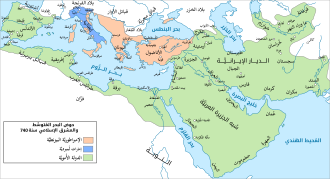
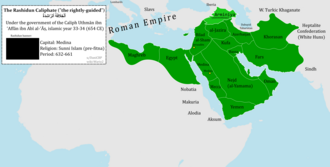
- 倭马亚哈里发国、四大哈里发的伊斯兰国
- 身份
- 诗人
- 父亲
- 阿布·伯克尔
- 母亲
- 乌姆·鲁曼
- 配偶
- 穆罕默德
- 参与
- 伊斯兰教内战
- 原文名
- عائشة بنت أَبي بكر
- 宗教
- 伊斯兰教
- 简述
- Muhammad's third wife (c. 613/614 – 678)
阿伊莎(阿拉伯语:عائشة بنت أبي بكر التيميَّة القُرَشِيّة ʿĀʾisha bint Abī Bakr,614年—678年),或译为阿以涉,穆罕默德的第三位妻子,阿布·伯克尔之女。
详细介绍
生平
在穆罕默德的第二任妻子去世后,阿伊莎在6岁时与穆罕默德结婚(一说订婚),9岁时圆房。但是部分历史学家有不同见解,因为早先的阿拉伯人多为游牧民族,没有记录孩童出生年月的习惯,所以根据其姐姐的年龄与她们姐妹俩年龄差别来推论,阿伊莎完婚时应该是14岁左右。但9岁这个年龄仍对伊斯兰世界产生了重要影响。至今,穆斯林仍以她的事例作为容许童婚的理由。
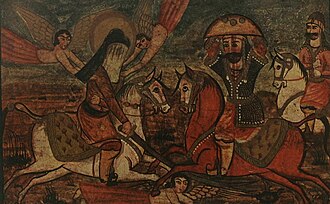
632年,穆罕默德逝世。《古兰经》第33章53节规定穆罕默德的妻子在他去世后不得再婚。她的父亲阿布·伯克尔成为穆罕默德领袖地位的继承者,也就是第一任哈里发,在两年后过世。穆罕默德的女婿阿里则在655年成为第四任哈里发。早先,她与阿里不合,因为阿里伤害过她的自尊。在阿里成为哈里发时,她加入反叛阿里的势力,与阿里发生战争。656年,“骆驼之战”中,她亲自乘驼轿上阵督战,此次战役也因她所骑的骆驼而得名。最后被阿里打败,被俘遣送回麦地那。后于麦地那归真。她与穆罕默德的其他十位妻子共同被后世穆斯林尊称为“信士之母”。
正文摘自中文维基百科「阿伊莎」(删去了参考文献、表格和图片),按 CC BY-SA 4.0 使用
英文维基百科的更多内容
中文维基百科这一条比较短,下面是英文维基百科同一条目的节选,原文为英文,未翻译。
Aisha bint Abi Bakr (c. 614 CE – July 678) was the third and youngest wife of Islamic prophet Muhammad. After Muhammad's death, she was politically active during the Rashidun Caliphate and stands out as a prominent female figure of the period.
A muhadditha and political figure, Aisha played a significant role in early Islamic history, both during Muhammad's life and after his death. She is regarded in Sunni tradition as intelligent, inquisitive, and scholarly, and is often described as Muhammad's most beloved wife after Khadija bint Khuwaylid. She contributed to the transmission of Muhammad's teachings and remained active in the Muslim community for 44 years after his death. Aisha is credited with narrating over 2,000 hadiths, covering not only aspects of Muhammad's personal life but also legal, ritual, and theological subjects such as inheritance, pilgrimage, prayer, and eschatology. Her intellectual abilities and knowledge of poetry, medicine, and Islamic jurisprudence were praised by early scholars, including al-Zuhri and her student Urwa ibn al-Zubayr.
In addition to her scholarly contributions, Aisha was involved in the religious, social, and political affairs of the early Muslim community. During the caliphates of Abu Bakr (her father), Umar, Uthman, and Ali, she engaged in public discourse, transmitted religious knowledge, and took part in major events, including the Battle of the Camel. Her participation in such matters was notable given the limited public roles generally held by women at the time. In Sunni Islam, she is revered as a leading scholar, hadith transmitter, and teacher of several companions and the tabi'in, while in Shia Islam, she is viewed critically for her opposition to Ali.
Early life
Aisha was born in Mecca c. 614. She was the daughter of Abu Bakr and Umm Ruman, two of Muhammad's companions. No sources offer much more information about Aisha's childhood years.
Relationship with Muhammad
In most Muslim traditions, Khadija bint Khuwaylid is described as Muhammad's most beloved and favored wife; Sunni tradition places Aisha as second only to Khadija. There are several hadiths, or stories or sayings of Muhammad, that support this belief. One relates that when a companion asked Muhammad, "who is the person you love most in the world?" he responded, "Aisha." Others relate that Muhammad built Aisha's apartment so that her door opened directly into the mosque, and that she was the only woman with whom Muhammad received revelations. They bathed in the same water, and he prayed while she lay stretched out in front of him.
Various traditions reveal the mutual affection between Muhammad and Aisha. He would often just sit and watch her and her friends play with dolls, and on occasion, he would even join them.……
Marriage to Muhammad
Muhammad reportedly stated that he saw Aisha twice in his dreams, being carried in a silk cloth by an angel who told him she would be his wife.……
Political career
Aisha's role in reviving Arab tradition and advancing female leadership reflects her prominence in early Islam. She was politically active during the caliphates of Abu Bakr, Umar, and Uthman. At a time when women were largely excluded from public affairs, she delivered speeches, took part in political and military events, and helped transmit the teachings of Muhammad to both men and women.
Role during caliphate
Role during first, second, and third caliphates
Aisha held a respected position in the early Muslim community as both a wife of Muhammad and the daughter of the first caliph, Abu Bakr. These familial ties contributed to the esteem in which she was held, and she was known by the title al-Ṣiddīqa bint al-Ṣiddīq ("the truthful woman, daughter of the truthful man"), a reference to her character and to her father's early and unwavering support of Muhammad, particularly in accepting the Isra and Mi'raj.
First Fitna
In 656, Uthman was killed by rebels who had laid siege to his house, triggering the First Fitna.……
Death
Aisha died at her home in Medina on 17 Ramadan 58 AH (16 July 678). She was 67 years old. Abu Hurayra led her funeral prayer after the tahajjud (night) prayer, and she was buried at al-Baqi cemetery.
正文摘自英文维基百科(原文为英文,未翻译)「Aisha」(节选,删去了参考文献、表格和图片),按 CC BY-SA 4.0 使用;在维基百科读全文 ›
参与的事件
- 伊斯兰教内战656 年—661 年 · 战争 · 西亚
亲属

所属政权
同时代、同地区的人物