史鉴
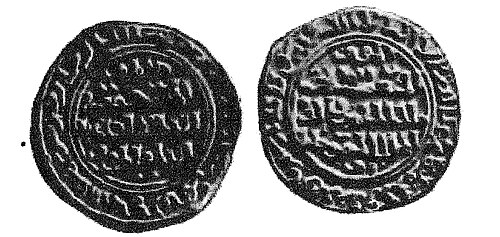
图:Stanley Lane Poole · Public domain · 维基共享资源
- 生卒
- ?—1257 年 4 月 28 日 (日期为儒略历)
- 去世地
- 开罗
- 国籍 / 所属
- 马木留克王朝
- 身份
- 统治者
- 职位
- 摄政、埃及苏丹
- 配偶
- 阿斯-萨利赫·阿尤布、伊兹丁·艾伯克
- 参与
- 第七次十字军东征
- 原文名
- شجر الدر、عصمة الدين شجرة الدر الصالحية
- 宗教
- 逊尼派
- 死因
- 钝挫伤、暗杀
- 简述
- Mamluk Sultana d.1257
舍哲尔·杜尔(阿拉伯语:شجر الدر,直译:“珍珠小枝”;约1220年—1257年4月28日),又称舍哲拉特·杜尔(شجرة الدر),王室称号为马利卡·阿斯玛特·艾德-丁·乌姆-哈利勒·舍哲尔·杜尔(الملكة عصمة الدين أم خليل شجر الدر),是埃及历史上的一位女君主。
她原为一名儿童奴隶,后成为阿尤布王朝苏丹萨利赫·阿尤布的妾侍和妻子。第七次十字军东征(1249年—1250年)期间,萨利赫·阿尤布去世后,舍哲尔·杜尔成为埃及摄政。1250年5月2日,她成为埃及的苏丹娜,标志着阿尤布王朝的终结和马穆鲁克时代的开始;由于统治不稳,她嫁给马穆鲁克首领伊兹丁·艾伯克,并于同年7月30日退位,将苏丹之位交给艾伯克。
1257年,艾伯克打算再婚,舍哲尔·杜尔害怕此举威胁自己的地位,遂指使仆人在艾巴克洗澡时将其杀害;随后,涉案仆人在严刑拷打下承认罪行,舍哲尔·杜尔被艾伯克的部下逮捕;不久,艾伯克的儿子曼苏尔·阿里继位为苏丹,曼苏尔·阿里剥光舍哲尔·杜尔的衣服,并用木屐将其活活打死。
正文摘自中文维基百科「舍哲尔·杜尔」(删去了参考文献、表格和图片),按 CC BY-SA 4.0 使用
英文维基百科的更多内容
中文维基百科这一条比较短,下面是英文维基百科同一条目的节选,原文为英文,未翻译。
Shajar al-Durr (Arabic: شجر الدر, lit. 'Tree of Pearls'), also Shajarat al-Durr (شجرة الدر), whose royal name was al-Malika ʿAṣmat ad-Dīn ʾUmm-Khalīl Shajar ad-Durr (الملكة عصمة الدين أم خليل شجر الدر; died 28 April 1257), was a ruler of Egypt. She was of Turkic origin. She was the wife of As-Salih Ayyub, and later of Izz al-Din Aybak, the first sultan of the Mamluk Bahri dynasty. Prior to becoming Ayyub's wife, she was a child slave and Ayyub's concubine.
In political affairs, Shajar al-Durr played a crucial role after the death of her first husband during the Seventh Crusade against Egypt (1249–1250 AD). She became the sultana of Egypt on 2 May 1250, marking the end of the Ayyubid reign and the start of the Mamluk era.
Title
Several sources assert that Shajar al-Durr took the title of sultana (سلطانة sulṭānah), the feminine form of sultan. However, in the historical sources (notably Ibn Wasil) and on Shajar al-Durr's only extant coin, she is named as sultan.
Early life
Background
Like many of the "slave-aristocracy" at the time (such as the mamluks), Shajar al-Durr was likely of Turkic or Armenian origin, and described by historians as a beautiful, pious, and intelligent woman. She was purchased as a slave by As-Salih Ayyub in the Levant before he became a Sultan and accompanied him and Mamluk Rukn al-Din Baybars al-Salihi (not the Baibars who became a Sultan) to Al Karak during his detention there in 1239. Later when As-Salih Ayyub became a Sultan in 1240 she went with him to Egypt and gave birth to their son Khalil who was called al-Malik al-Mansour.……
Reign as Sultan
Rise to power
After the assassination of Turanshah, the Mamluks and emirs met at the Sultanic Dihliz and decided to install Shajar al-Durr as the new monarch with Izz al-Din Aybak as atabeg (commander in chief). Shajar al-Durr was informed of this at the Citadel of the Mountain in Cairo and she agreed. Shajar al-Durr took the royal name "al-Malikah Ismat ad-Din Umm-Khalil Shajar al-Durr" with a few additional titles such as "Malikat al-Muslimin" (Queen of the Muslims) and "Walidat al-Malik al-Mansur Khalil Emir al-Mo'aminin" (Mother of al-Malik al-Mansur Khalil Emir of the faithful).……
Conflict with the Ayyubids
News of the murder of al-Muazzam Turanshah and the inauguration of Shajar al-Durr as the new sultana reached Syria.……
Later life
To please the Caliph and secure his recognition, Aybak announced that he was merely a representative of the Abbasid caliph in Baghdad. To placate the Ayyubids in Syria the Mamluks nominated an Ayyubid child named al-Sharaf Musa as a co-sultan. But this did not satisfy the Ayyubids and armed conflicts between the Mamluks and the Ayyubids broke out. The Caliph in Baghdad, preoccupied with the Mongols who were raiding territories not far from his capital, preferred to see the matter settled peacefully between the Mamluks in Egypt and the Ayyubids in Syria.……
Architecture
Shajar Al-Durr was well known for adopting the indigenous architecture of Bahri Mamluk tombs and combining them with Madrasas or schools of Islam. She was the first Islamic Sultan of Egypt to use this culturally-syncretized architecture. Her burial structures would continue to be adopted by leaders in the Mamluk Sultanate, which shows that madrasas of Islam were embraced, and they remained in use to the Bahri Mamluks long after Islamic rule.
Impact
Establishing the Mamluk dynasty
As a manumitted slave who was not of the Ayyubid line, Shajar al-Durr has the distinction of having been the first Mamluk ruler of Egypt and Syria. Aybak and Shajar al-Durr firmly established the Mamluk dynasty that would ultimately repulse the Mongols, expel the European Crusaders from the Holy Land, and remain the most powerful political force in the Middle East until the coming of the Ottomans.
In Egyptian folklore
Shajar al-Durr is one of the characters of Sirat al-Zahir Baibars (Life of al-Zahir Baibars), a folkloric epic of thousands of pages that was composed in Egypt during the early Mamluk era and took its final form in the early Ottoman era.……
正文摘自英文维基百科(原文为英文,未翻译)「Shajar al-Durr」(节选,删去了参考文献、表格和图片),按 CC BY-SA 4.0 使用;在维基百科读全文 ›
参与的事件
- 第七次十字军东征1248 年—1254 年 · 其他事件 · 非洲
亲属
所属政权

同时代、同身份的人物(帝王与政治)