史鉴
- 生卒
- 1238 年—1317 年
- 出生地
- Pajaka
- 国籍 / 所属
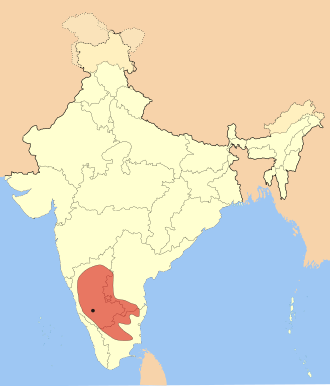
- 曷萨拉王朝
- 身份
- 诗人、哲学家
- 宗教
- 印度教
- 简述
- 13th-century Hindu Dvaita philosopher
摩陀婆(IAST:Madhvācārya;1199–1278年或1238–1317年),又称圆满智慧(IAST:Pūrṇa-Prajña)与喜悦渡者,是印度哲学家、神学家,二元论吠檀多学派的主要倡导者。摩陀婆将自身哲学体系命名为“真实论”(Tattvavāda),意为“基于实在论立场的论证”。
13世纪时,摩陀婆出生于印度卡纳塔克邦西海岸乌杜皮附近的帕贾卡。少年时期即加入“单杖苦行僧团”,师承梵天传承导师阿秋塔·普雷克沙,成为出家修行者。他钻研印度哲学经典,撰写对主要奥义书、《薄伽梵歌》及《梵经》(合称“三根本经典”)的注释,现存37部梵文著作。其文风极简凝练,代表作《补充阐释》以诗体形式对《梵经》注释进行哲学延伸。部分著作中,他自称为神毗湿奴之子风神的化身。
摩陀婆批判商羯罗的不二论与罗摩奴阇的限定不二论学说。他多次巡游印度,足迹遍及巴德里纳特、孟加拉、瓦拉纳西、德瓦卡、果阿与科摩林角等地,参与哲学辩论并造访学术中心。1285年,他于乌杜皮建立克里希纳寺,供奉从古吉拉特德瓦卡迎请的神像。
摩陀婆教义的核心在于:个体灵魂(阿特曼)与梵(终极实在,即毗湿奴神)存在根本差异,二者是永恒独立的两种实在,个体灵魂依存于梵但永不与之同一。这种有神论二元论与吠檀多另外两大主流学派——主张绝对一元论的不二论及主张限定一元论的限定不二论形成鲜明对立。摩陀婆强调,唯有透过神的恩典方能获得解脱。
摩陀婆创立的二元论深刻影响了中世纪印度毘湿奴派与虔信运动,与不二论、限定不二论并列为吠檀多哲学三大体系。学者库兰德兰与克雷默评价其历史影响:“虽具积极意义,但未达广泛程度”。
正文摘自中文维基百科「摩陀婆」(删去了参考文献、表格和图片),按 CC BY-SA 4.0 使用
英文维基百科的更多内容
中文维基百科这一条比较短,下面是英文维基百科同一条目的节选,原文为英文,未翻译。
Madhvacharya (IAST: Madhvācārya; pronounced [mɐdʱʋaːˈtɕaːrjɐ]; 1199–1278 CE or 1238–1317 CE), also known as Purna Prajna (IAST: Pūrṇa-Prajña) and Ānanda Tīrtha, was an Indian philosopher, theologian and the chief proponent of the Dvaita (dualism) school of Vedanta. Madhva called his philosophy Tattvavāda meaning "arguments from a realist viewpoint".
Madhvacharya was born at Pajaka near Udupi on the west coast of Karnataka state in 13th-century India. As a teenager, he became a Sanyasi (monk) joining Brahma-sampradaya guru Achyutapreksha, of the Ekadandi order. Madhva studied the classics of Hindu philosophy, and wrote commentaries on the Principal Upanishads, the Bhagavad Gita and the Brahma Sutras (Prasthanatrayi), and is credited with thirty seven works in Sanskrit. His writing style was of extreme brevity and condensed expression. His greatest work is considered to be the Anuvyakhyana, a philosophical supplement to his bhasya on the Brahma Sutras composed with a poetic structure. In some of his works, he proclaimed himself to be an avatar of Vayu, the son of god Vishnu, however, the textual basis cited for some such claims has been questioned in modern scholarship, especially by Roque Mesquita, who argued that a number of scriptural sources adduced by Madhva in support of this and other doctrines are untraceable and were likely composed by Madhva himself under what he believed to be divine inspiration.
Madhvacharya was a critic of Adi Shankara's Advaita Vedanta and Ramanuja's Vishishtadvaita Vedanta teachings. He toured India several times, visiting places such as Badrinath, Bengal, Varanasi, Dwaraka, Goa and Kanyakumari, engaging in philosophical debates and visiting Hindu centres of learning.……
Early life
The biography of Madhvacharya is unclear about his year of birth. Many sources date him to 1238–1317 period, but some place him about the 1199–1278 period.
Madhvācārya was born in Pajaka near Udupi, a coastal district in the present-day Indian state of Karnataka.……
Career
Incarnation of Vayu, the wind god
In several of his texts, Sarma and other scholars state, "Madhvacharya proclaims himself to be the third avatar or incarnation of Vayu, wind god, the son of Vishnu".……
Interpretations
Madhvacharya is said to have quoted some verses from his unique revisions of scriptures. Also, he is said to have quoted many unique books like Kamatha Sruti.……
Works of Madhvacharya
Thirty seven Dvaita texts are attributed to Madhvacharya.……
Madhva's philosophy
The premises and foundations of Dvaita Vedanta, also known as Dvaitavada and Tattvavada, are credited to Madhvacharya. His philosophy championed unqualified dualism.……
Epistemology
Madhva calls epistemology Anu pramana.……
Views on other schools
Madhvacharya was a fierce critic of competing Vedanta schools, and other schools of Indian philosophies such as Buddhism and Jainism. He wrote up arguments against twenty one ancient and medieval era Indian scholars to help establish the foundations of his own school of thought.
Influence
Madhvacharya extended an independent, original philosophy in the inference of Vaishnavism.
The Madhva Sampradaya fostered Bhakti and search of Knowledge. Madhvacharya and his ascetic followers propagated the Dvaita Siddhanta through their commentaries and critical lectures.……
Film
A film directed by G. V. Iyer titled Madhvacharya premiered in 1986. It is entirely in the Kannada language.
正文摘自英文维基百科(原文为英文,未翻译)「Madhvacharya」(节选,删去了参考文献、表格和图片),按 CC BY-SA 4.0 使用;在维基百科读全文 ›
所属政权
同时代、同地区的人物
同时代、同身份的人物(思想与学术)