史鉴
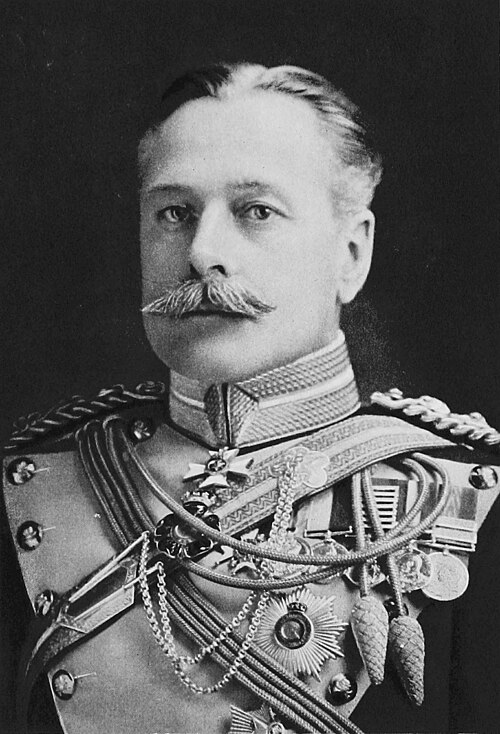
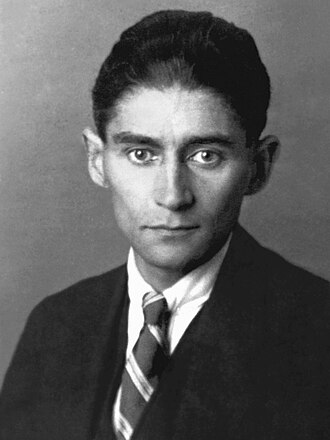
图:Elliott & Fry · Public domain · 维基共享资源
- 生卒
- 1861 年 6 月 19 日—1928 年 1 月 29 日
- 出生地
- 夏洛特广场
- 去世地
- Princes Gate
- 国籍 / 所属
- 英国
- 身份
- 政治人物、陆军军官
- 职位
- 英国上议院议员
- 父亲
- John Haig
- 母亲
- Rachel Mackerras Veitch
- 配偶
- Dorothy Maud Vivian
- 子女
- George Haig, 2nd Earl Haig、阿斯特的赫弗男爵夫人艾琳·阿斯特、Lady Victoria Haig、Lady Alexandra Haig
- 参与
- 第一次世界大战、马赫迪战争、第二次布尔战争
- 原文名
- Douglas Haig, 1st Earl Haig
- 别号
- The butcher of the Somme
- 就读
- 牛津大学布雷齐诺斯学院、克利弗顿学院、桑德赫斯特皇家军事学院 (1801年)、爱丁堡学院
- 军种
- 英国陆军
- 军衔
- 英国陆军元帅
- 简述
- 英国陆军元帅
道格拉斯·黑格(英语:Douglas Haig;1861年6月19日—1928年1月28日),苏格兰裔英国陆军将领,最高军衔为陆军元帅,在第一次世界大战期间担任要职,曾于1915年至1919年间任英国远征军总司令。
黑格于1884年就读桑赫斯特皇家军事学院,职业初期服役于英国陆军部,后于1909年至1912年担任驻英属印度陆军参谋长,于1910年晋升中将。1914年第一次世界大战爆发,黑格初任英军第1军司令,后于1914年12月25日升任第一集团军司令。1915年12月10日,他取代约翰·弗伦奇成为新任英国远征军总司令。1916年,黑格率英军投入索姆河战役。然其表现逊于南翼法军,仅在局部取得进占且伤亡惨重。1917年1月,他晋升为陆军元帅,随后率领英军参与阿拉斯战役、帕斯尚尔战役等役,并协同法军投入百日攻势,使各方于1918年11月11日签署停战协定。1928年1月29日,他在伦敦去世。
黑格虽在战后初期声望颇佳,其葬礼甚至被定为国殇日,但当时已不乏其政见与能力的批判。自1960年代起,他的战时领导表现开始饱受诟病。其因西线英军伤亡人数高达两百万,被冠以“屠夫”的恶名。加拿大战争博物馆对此评论道:“他在索姆河与帕斯尚尔发动的攻势规模宏大却代价惨重,几乎成了第一次世界大战屠戮与徒劳的代名词。”自1980年代以来,许多史学家转而认为,大众对黑格的抨击忽视了其部队对新战术与新技术的采纳,亦抹杀英军在1918年联军胜利中扮演的关键角色。史学界主张,惨重的伤亡实乃当时战术与战略环境下的必然产物。
正文摘自中文维基百科「第一代黑格伯爵道格拉斯·黑格」(删去了参考文献、表格和图片),按 CC BY-SA 4.0 使用
英文维基百科的更多内容
中文维基百科这一条比较短,下面是英文维基百科同一条目的节选,原文为英文,未翻译。
Field Marshal Douglas Haig, 1st Earl Haig (; 19 June 1861 – 29 January 1928) was a senior officer of the British Army. During the First World War he commanded the British Expeditionary Force (BEF) on the Western Front from late 1915 until the end of the war.
Haig's military career included service in the War Office, where he was instrumental in the creation of the Territorial Force in 1908. In January 1917 he was promoted to the rank of field marshal, subsequently leading the BEF during the final Hundred Days Offensive. This campaign, in combination with the Kiel mutiny, the Wilhelmshaven mutiny, the proclamation of a republic on 9 November 1918 and revolution across Germany, led to the armistice of 11 November 1918. It is considered by some historians to be one of the greatest victories ever achieved by a British-led army.
Haig gained a favourable reputation during the immediate post-war years, with his funeral a day of national mourning. However he also had some prominent contemporary detractors and, beginning in the 1960s, has been widely criticised for his wartime leadership. He was nicknamed "Butcher Haig" for the two million British casualties under his command. The Canadian War Museum comments: "His epic but costly offensives at the Somme (1916) and Passchendaele (1917) have become nearly synonymous with the carnage and futility of First World War battles." Since the 1980s many historians have argued that the public hatred of Haig failed to recognise the adoption of new tactics and technologies by forces under his command, the important role played by British forces in the allied victory of 1918, and that high casualties were a consequence of the tactical and strategic realities of the time.
Early life
Haig was born in a house on Charlotte Square, Edinburgh. His father, John Richard Haig, an alcoholic, was head of the family's successful Haig & Haig whisky distillery; he had an income of £10,000 per year (£1,647,200 in 2025), an enormous amount at the time.……
Career
Junior officer
Early in his military career, Haig played polo for England on a tour of the United States (August 1886).……
First World War
1914
Outbreak of war
During the Curragh Mutiny (March 1914) Haig urged caution on his BGGS John Gough, whose brother Hubert Gough was threatening to resign rather than coerce Ulstermen into a semi-independent Ireland. Haig stressed that the army's duty was to keep the peace.……
Later life
Lloyd George arranged a ceremonial reception for Marshal Foch on 1 December; Haig was asked to travel in the fifth carriage with Henry Wilson but not invited to the reception. Feeling that this was a snub and an attempt to win votes for the imminent election, Haig declined to attend at all.……
Death
Haig died in London from a heart attack on 29 January 1928, and was given an elaborate funeral on 3 February. "Great crowds lined the streets ...……
Reputation
Post-war opinion
After the war Haig was praised by the American General John J. Pershing, who remarked that Haig was "the man who won the war". His funeral in 1928 was a huge state occasion.……
Honorary degrees
Freedom of the City
- 26 January 1912: Bradford
- 15 May 1919: Dundee
- 16 June 1919: London
- 25 June 1919: Oxford
- 16 October 1919: Wolverhampton
- 23 January 1920: Leeds
- 14 October 1922: Stirling
- Unknown: Glasgow
Legacy
The Argentine football club Club Atlético Douglas Haig, founded 1918, is named after Haig.
In 1920, the Great Central Railway gave the name Earl Haig to one of their new express passenger locomotives. It carried the name until 1943.
正文摘自英文维基百科(原文为英文,未翻译)「Douglas Haig, 1st Earl Haig」(节选,删去了参考文献、表格和图片),按 CC BY-SA 4.0 使用;在维基百科读全文 ›
参与的事件
同时代、同地区的人物





同时代、同身份的人物(帝王与政治)