史鉴

图:Francesco Hayez · Public domain · 维基共享资源
- 生卒
- 1791 年 2 月 10 日—1882 年 2 月 12 日
- 出生地
- 威尼斯
- 去世地
- 米兰
- 国籍 / 所属
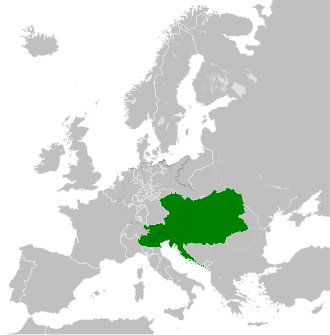
- 奥地利帝国、意大利王国
- 身份
- 摄影师、雕刻师、画家、平面设计师、石版画家
- 职位
- 主管
- 代表作
- 吻、胜利的运动员、Bad der Nymphen、Christ and the woman taken in adultery、Bathsheba Bathing、The destruction of the temple of Jerusalem、Portrait of Alessandro Manzoni、Portrait of Matilde Juva Branca 等 22 项
- 受影响于
- 格雷戈里奥·拉扎里尼
- 原文名
- Francesco Hayez
- 就读
- 威尼斯美术学院、圣路加学院、Accademia del Regno italico
- 任职机构
- 布雷拉美术学院
- 领域
- 绘画
- 流派 / 运动
- 浪漫主义、东方主义、游吟诗人风格
- 简述
- Italian painter (1791–1882)
弗朗切斯科·阿耶兹(意大利语:Francesco Hayez,发音:[franˈtʃesko ˈaːjets];1791年2月10日—1882年2月12日),是一位意大利画家。他被认为是米兰19世纪中期浪漫主义的主要艺术家之一,并以其宏伟的历史画、政治寓言和肖像画而闻名。
详细介绍
生平
弗朗切斯科·阿耶兹来自威尼斯的一个贫穷家庭。他的父亲有法国血统,母亲来自穆拉诺岛。弗朗西斯科是五个孩子中最小的一个,由他的姑姑和姑姑的丈夫带大,姑姑是一位富有船东和艺术收藏家的妻子。由于弗朗西斯科从小就表现出绘画天赋,他的叔叔将他收为艺术修复师的学徒。弗朗西斯科后来成为画家弗朗西斯科·马乔托 (Francesco Maggiotto)的学生,在那里学习了三年。 1806年,他进入新改组的威尼斯美术学院学习绘画课程,师从特奥多罗·马蒂尼 (Teodoro Matteini)。1809年,他在学院美术馆 (威尼斯)举办的比赛中获胜,并因此前往罗马的圣路加学院(Accademia di San Luca)学习一年。 弗朗切斯科在罗马一直待到1814年,之后他移居那不勒斯,受后来成为那不勒斯国王的若阿尚·缪拉 (Joaquin Murat) 委托,创作了《阿尔喀诺俄斯宫中的奥德修斯》 (Ulysses in the Court of Alcinous);在1830年代中期,他曾参加米兰的沙龙;1850年,他被任命为米兰布雷拉画廊馆长。
对弗朗切斯科·阿耶兹的评估很困难,因为他没有在作品上签名或注明日期。 此外,他经常绘画相同的构图,有些几乎没有差异。 他早期的作品显示出多米尼克·安格尔 (Dominique Angle) 和拿撒勒运动 (Nazarene School) 的影响。 他后期的作品则显示出回归古典的倾向。
正文摘自中文维基百科「弗朗切斯科·阿耶兹」(删去了参考文献、表格和图片),按 CC BY-SA 4.0 使用
英文维基百科的更多内容
中文维基百科这一条比较短,下面是英文维基百科同一条目的节选,原文为英文,未翻译。
Francesco Hayez (Italian: [franˈtʃesko ˈaːjets]; 10 February 1791 – 12 February 1882) was an Italian painter. He is considered one of the leading artists of Romanticism in mid-19th-century Milan, and is known for his grand historical paintings, political allegories, and portraits, in an Italian version of 19th-century Academic style.
Biography
Training and early work
Francesco Hayez was from a relatively poor family from Venice. His father, Giovanni, was a fisherman of French origin while his mother, Chiara Torcella, was from Murano. Francesco was the youngest of five sons. Hayez displayed a predisposition for drawing since childhood. He was placed at a very early age in the Venetian studio of his uncle, the antiquarian Giovanni Binasco, who hoped to train him as a restorer of paintings.
In 1798, he started to study painting under Francesco Maggiotto and gained his first experience of the Neoclassical style. His artistic education was completed, in the years 1800–1803, by visits to the Galleria Farsetti, Venice, where he studied the plaster casts of antique sculptures and the reproductions of paintings by Giovanni da Udine from the Vatican. In 1803 he attended life drawing classes at the old Accademia di Pittura e Scultura in the Fonteghetto della Farina, and between 1802 and 1806 he studied the use of colour in classes run by the painter from Bergamo, Lattanzio Querena, a skilful portraitist and a copyist of 16th-century Venetian paintings.
In 1807, Hayez produced a Portrait of the Artist’s Family (Treviso, Museo Luigi Bailo). In 1808 he was finally able to enter the Accademia di Belle Arti di Venezia, recently modernized in its teaching methods by Leopoldo Cicognara, who was to remain an important adviser and patron for Hayez. He then attended the painting school run by the Neoclassicist Teodoro Matteini.
In 1809, Hayez won a scholarship to study at the Accademia di San Luca in Rome and left Venice in October, travelling south via Rovigo, Bologna, Florence (where he met the painters Pietro Benvenuti, Giuseppe Bezzuoli and Francesco Nenci) and Siena. At Rome, as well as studying the Antique, he spent a great deal of time studying the works of Raphael in the Vatican Stanze and visiting the workshop of the sculptor Antonio Canova, who was to have an enormous influence on him.……
Critical assessment
Over the course of a long career, Hayez proved to be particularly prolific. His output included historic paintings designed to appeal to the patriotic sensibility of his patrons as well as works reflecting the desire to accompany a Neoclassic style to grand themes, either from biblical or classical literature. He also painted scenes from theatrical presentations. Conspicuously absent from his oeuvre, however, are altarpieces - possibly due to the Napoleonic invasions that deconsecrated many churches and convents in Northern Italy. Art historian Corrado Ricci described Hayez as a classicist who then evolved into a style of emotional tumult.
His portraits have the intensity of Ingres and the Nazarene movement. Often sitting, Hayez's subjects are often dressed in austere, black and white clothing, with little to no accoutrements. While Hayez made portraits for the nobility, he also explored other subjects like fellow artists and musicians. Late in his career, he is known to have worked using photographs.
One of Hayez's favorite themes was semi-clothed Odalisque evocative of oriental themes – a favorite topic of Romantic painters. The depictions of harems and their women allowed artists the ability to paint scenes otherwise not acceptable within society. Even Hayez's Mary Magdalene has more sensuality than religious fervor.
A scientific assessment of Hayez's career has been made complicated by his proclivity for not signing or dating his works. Often dates in his paintings indicate when the work was acquired or sold, not the time of its creation. Moreover, he often painted the same compositions several times with minimal variations if any at all.
正文摘自英文维基百科(原文为英文,未翻译)「Francesco Hayez」(节选,删去了参考文献、表格和图片),按 CC BY-SA 4.0 使用;在维基百科读全文 ›
所属政权

同时代、同地区的人物




同时代、同身份的人物(艺术与音乐)