史鉴
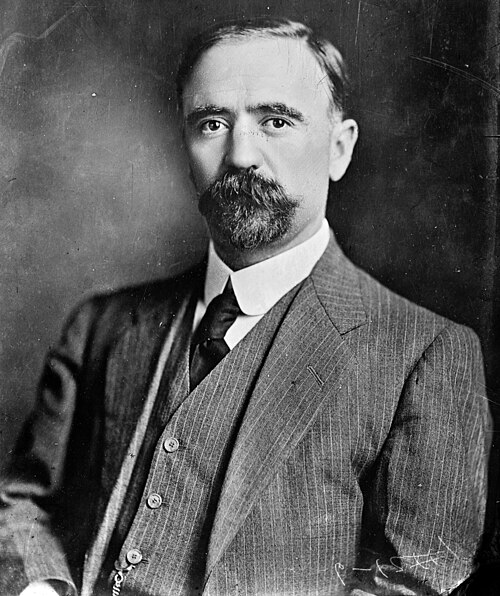
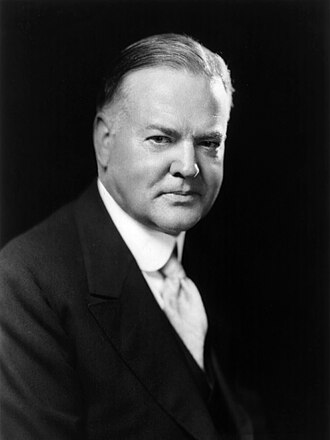
图:佚名 · Public domain · 维基共享资源
- 生卒
- 1873 年 10 月 30 日—1913 年 2 月 22 日
- 出生地
- 帕拉斯-德拉富恩特
- 去世地
- 墨西哥城
- 国籍 / 所属
- 墨西哥
- 身份
- 作家、商人、军人、政治人物、音乐家、革命家
- 职位
- 墨西哥总统
- 父亲
- Francisco Madero Hernández
- 配偶
- Sara Pérez de Madero
- 参与
- 墨西哥革命
- 就读
- 加州大学伯克利分校、巴黎高等商贸学院、奥什中学、圣玛丽山大学
- 所属组织
- HEC Alumni
- 死因
- 枪伤
- 简述
- Mexican revolutionary leader and president (1873-1913)
弗朗西斯科·伊格纳西奥·马德罗·冈萨雷斯(西班牙语:Francisco Ignacio Madero González,西班牙语发音:[fɾanˈsiskojɣˈnasjo maˈðeɾo ɣonˈsales];1873年10月30日—1913年2月22日)是领导1910年墨西哥革命的塞法迪犹太人革命家,墨西哥总统(1911年至1913年)。
他推翻了墨西哥独裁者波费里奥·迪亚斯的统治,然而,他当权后却无法有效地巩固新政府,在1913年被迪亚斯残党刺杀,革命陷入混乱,派别林立,内战爆发。
正文摘自中文维基百科「弗朗西斯科·马德罗」(删去了参考文献、表格和图片),按 CC BY-SA 4.0 使用
英文维基百科的更多内容
中文维基百科这一条比较短,下面是英文维基百科同一条目的节选,原文为英文,未翻译。
Francisco Ignacio Madero González (Spanish pronunciation: [fɾanˈsisko jɣˈnasjo maˈðeɾo ɣonˈsales]; 30 October 1873 – 22 February 1913) was a Mexican businessman, revolutionary, writer, politician, and statesman who served as the 37th president of Mexico from 1911 until he was deposed and assassinated in a coup d'état in February 1913. He came to prominence as an advocate for democracy and as an opponent of President and dictator Porfirio Díaz. After Díaz claimed to have won the fraudulent election of 1910 despite promising a return to democracy, Madero started the Mexican Revolution to oust Díaz. The Mexican revolution would continue until 1920, well after Madero and Díaz's deaths, with hundreds of thousands dead.
A member of one of Mexico's wealthiest families, Madero studied business at the École des Hautes Études Commerciales de Paris. An advocate for social justice and democracy, his 1908 book The Presidential Succession in 1910 called for Mexican voters to prevent the reelection of Porfirio Díaz, whose regime had become increasingly authoritarian. Bankrolling the opposition Anti-Reelectionist Party, Madero's candidacy garnered widespread support in the country. He challenged Díaz in the 1910 election, which resulted in his arrest. After Díaz declared himself winner for an eighth term in a rigged election, Madero escaped from jail, fled to the United States, and called for the overthrow of the Díaz regime in the Plan of San Luis Potosí, sparking the Mexican Revolution.
Madero's armed support was concentrated in northern Mexico and was aided by access to arms and finances in the United States. In Chihuahua, Madero recruited wealthy landowner Abraham González to his movement, appointing him provisional governor of the state.……
Early years (1873–1903)
Family background
Francisco Ignacio Madero González was born in 1873 into a large and wealthy family in northeastern Mexico at the hacienda of El Rosario, in Parras de la Fuente, Coahuila.……
Political career
Introduction to politics (1903–1908)
On 2 April 1903, Bernardo Reyes, governor of Nuevo León, violently crushed a political demonstration, an example of the increasingly authoritarian policies of president Porfirio Díaz. Madero was deeply moved and, believing himself to be receiving advice from the spirit of his late brother Raúl, he decided to act.……
Presidency and assassination (November 1911 – February 1913)
Madero became president in November 1911, and, intending to reconcile the nation, appointed a cabinet that included many of Porfirio Díaz's supporters, as well as Madero's uncle Ernesto Madero, as Minister of Finance.……
Successful coup against Madero
In early 1913, General Félix Díaz (Porfirio Díaz's nephew) and General Bernardo Reyes plotted the overthrow of Madero. Now known in Mexican history as the Ten Tragic Days, from 9 to 19 February events in the capital led to the overthrow and murder of Madero and his vice president.……
Aftermath of coup
There was shock at Madero's murder, but there were many, including Mexican elites and foreign entrepreneurs and governments, who saw the coup and the emergence of General Huerta as the desired strongman to return order to Mexico.……
Historical memory and popular culture
Madero was known as "The Apostle of Democracy," but "Madero the martyr meant more to the soul of Mexico."
Despite Madero's importance as a historical figure, there are relatively few memorials or monuments to him. It was not until the Monument to the Revolution was completed in 1938 that Madero had a public resting place.……
正文摘自英文维基百科(原文为英文,未翻译)「Francisco I. Madero」(节选,删去了参考文献、表格和图片),按 CC BY-SA 4.0 使用;在维基百科读全文 ›
参与的事件
- 墨西哥革命1910 年 11 月 20 日—1920 年 5 月 21 日 · 战争 · 拉丁美洲
同时代、同地区的人物






同时代、同身份的人物(帝王与政治)