 史鉴

图:Joaquim Rodrigues Braga · Public domain · 维基共享资源
- 时间
- 1147 年 7 月 1 日—1147 年 10 月 25 日
- 地点
- al-Lixbûnâ
- 国家 / 地区
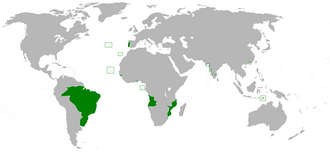
- 葡萄牙、葡萄牙王国
- 参与方
- 葡萄牙王国、巴达霍斯泰法
- 属于
- 第二次十字军东征、Almoravid conquest of al-Andalus
- 类型
- 攻城战
- 简述
- 一场葡萄牙人发起的军事行动
围攻里斯本(英语:Siege of Lisbon)是1147年7月1日至10月25日葡萄牙人的军事行动,使里斯本市最终受到葡萄牙人的控制并驱逐了摩尔人的统治者。围攻里斯本是第二次十字军东征基督徒少数的胜利之一 。它是“朝圣军队进行普遍行动的唯一成功”,即第二次十字军东征,据近现代历史学家赫尔莫德所说,虽然其他人质疑它是否真的是这次十字军东征的一部分,它被视为更广泛的收复失地运动的关键战役。
详细介绍
概述
1144年的埃德萨伯国沦陷导致教宗安日纳三世于1145年和1146年呼吁进行新的十字军东征。在1147年的春天,教宗授权在伊比利亚半岛进行十字军东征。他还授权莱昂和卡斯蒂利亚的阿方索七世将其与摩尔人的战役等同于第二次十字军东征的其余部分。1147年5月,一支十字军队伍从英格兰的达特茅斯出发。他们本打算直接驶向圣地,但天气迫使船只在1147年6月16日在的葡萄牙北部海岸城市波尔图停留。在那里,他们会见了葡萄牙国王阿丰索一世。
十字军同意帮助国王夺回里斯本,庄严的协议向十字军提供了战利品的掠夺和人质的赎金预期。围困始于7月1日。抵达时的里斯本市有六万个家庭,其中包括逃离基督徒进攻的邻近城市的难民。城堡里有十五万四千名男子,经过17周的围攻,居民被掠夺,城市被清理干净。
四个月后,摩尔人统治者同意在10月24日投降,主要是因为城内饥荒。大多数十字军在新攻下的城市定居,但一些十字军起航并继续前往圣地。里斯本最终于1255年成为葡萄牙王国的首都。
正文摘自中文维基百科「围攻里斯本」(删去了参考文献、表格和图片),按 CC BY-SA 4.0 使用
英文维基百科的更多内容
中文维基百科这一条比较短,下面是英文维基百科同一条目的节选,原文为英文,未翻译。
The siege of Lisbon, from 1 July to 25 October 1147, was the military action against the Almoravid dynasty that brought the city of Lisbon under the definitive control of the new Christian power, the Kingdom of Portugal. It is seen as a pivotal battle of the wider Reconquista.
The siege of Lisbon was one of the few Christian victories of the Second Crusade—it was "the only success of the universal operation undertaken by the pilgrim army", i.e., the Second Crusade, according to the near contemporary historian Helmold, although others have questioned whether it was really part of that crusade. The fall of Edessa in 1144 (present day Sanliurfa, Turkey) led to a call for a new crusade by Pope Eugene III in 1145 and 1146. In the spring of 1147, the Pope authorized the crusade in the Iberian Peninsula. He also authorized Alfonso VII of León and Castile to equate his campaigns against the Moors with the rest of the Second Crusade. In May 1147, a contingent of crusaders left from Dartmouth, Devon in the Kingdom of England. They had intended to sail directly to the Holy Land, but weather forced the ships to stop on the Portuguese coast at the northern city of Porto on 16 June 1147. There they were convinced to meet with Afonso I of Portugal, who had in 1139 declared himself king of the new Kingdom of Portugal.
The crusaders agreed to help the King attack Lisbon, with a solemn agreement that offered to the crusaders the pillage of the city's goods and the ransom money for expected prisoners. The siege began on 1 July. The city of Lisbon at the time of arrival consisted of 60,000 families, including the refugees who had fled Christian onslaught from neighbouring cities of Santarém and others.……
Second Crusade
The traditional start of the Reconquista is identified with the defeat of the Muslims in the Battle of Covadonga in 722. After the First Crusade in 1095–1099, Pope Paschal II urged Iberian crusaders (Portuguese, Castilians, Leonese, Aragonese, and others) to remain at home, where their own warfare was considered just as worthy as that of crusaders travelling to Jerusalem.
During the siege of Lisbon in 1142, Afonso Henriques, taking advantage of the passage of a group of Anglo-Norman crusaders on their way to the Holy Land, attempted to use them to take the Muslim-ruled city of Lisbon. Although this attempt ultimately failed, leaving some distrust among the crusader forces, it showed the Portuguese monarch the usefulness of such force in future attempts.
The fall of Edessa in 1144 led to a call for a new crusade by Pope Eugene III in 1145 and 1146. In the spring of 1147, the Pope also authorized a crusade in the Iberian Peninsula, where "the war against the Moors had been going on for hundreds of years." Pope Eugene encouraged Marseille, Pisa, Genoa, and other Mediterranean cities to fight in Iberia. He also authorized Alfonso VII of León and Castile to equate his campaigns against the Moors with the rest of the Second Crusade.
Redirected efforts
According to Odo of Deuil there were 164 ships bound for the Holy Land, and there may have been as many as 200 by the time they reached the Iberian shore.……
Aftermath
Some of the crusaders set sail and continued on their journey around the Iberian Peninsula and were invited by Count Ramon Berenguer IV of Barcelona to help him capture the city of Tortosa on the Ebro. However, most of the crusaders settled in the newly captured city, thus boosting the number of Christian supporters in Iberia.
Gilbert of Hastings was elected bishop, marking the beginning of the historic relationship between England and Portugal which would later form the Anglo-Portuguese Alliance.
In spite of the contractual nature of the city's surrender, a legend arose that the Portuguese warrior and nobleman, Martim Moniz, sacrificed himself in order to keep the city doors open to the conquering Christian armies.
Lisbon eventually became the capital city of the Kingdom of Portugal in 1255. The victory was a turning-point in the history of Portugal and the wider Reconquista, which would be completed in 1492.
正文摘自英文维基百科(原文为英文,未翻译)「Siege of Lisbon」(节选,删去了参考文献、表格和图片),按 CC BY-SA 4.0 使用;在维基百科读全文 ›
相关政权
同时期、同地区的大事
同时期的同类事件(战役)
- 蒙吉萨战役1177 年 11 月 25 日 · 战役 · 西亚
- 密列奥塞法隆战役1176 年 9 月 17 日 · 战役 · 西亚
- 莱尼亚诺战役1176 年 5 月 29 日 · 战役 · 欧洲
- 迪德格里战役1121 年 8 月 12 日 · 战役 · 西亚
- 血地之战1119 年 6 月 28 日 · 战役 · 西亚
- 埃德萨之围 (1144年)1144 年 11 月 28 日—1144 年 12 月 24 日 · 战役 · 西亚
- 诺曼地入侵爱尔兰1169 年—1175 年 · 战役 · 欧洲
- 布雷米勒战役1119 年 8 月 20 日 · 战役 · 欧洲
- 卡特万之战1141 年 9 月 9 日 · 战役 · 中亚与北亚
- 靖康之变1125 年 9 月 1 日—1127 年 3 月 1 日 · 战役 · 东亚