 史鉴

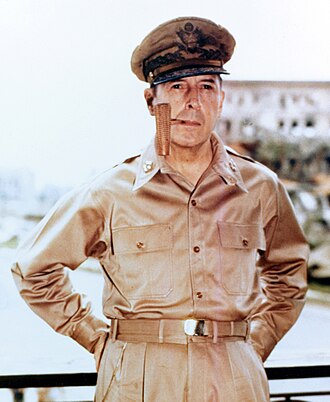
图:George Silk · Public domain · 维基共享资源
- 时间
- 1942 年 1 月 23 日—1945 年 8 月
- 地点
- 新几内亚岛
- 属于
- 第二次世界大战西南太平洋战区
- 类型
- 战役
- 简述
- 太平洋战争战役
新几内亚战役(英语:New Guinea campaign)是第二次世界大战太平洋战争的一部分,从1942年1月持续到1945年8月战争结束。战役的第一阶段从1942年初开始,日本入侵澳大利亚管理的新几内亚领地(1月23日)、巴布亚领地(3月8日)、荷属新几内亚(3月29日/3月30日开始),这些地区是荷属东印度群岛的一部分。战役的第二阶段从1942年末到日本投降,盟军(主要由澳大利亚和美国军队组成)首先从巴布亚,然后新几内亚,最后从荷属新几内亚扫除大日本帝国势力。
新几内亚战役导致日本惨败并蒙受巨大损失,伤亡超过12万。负责新几内亚东部作战的日军第18军(下辖第20师团、第41师团、第51师团等部队)截至1945年11月1日仅剩11524人,其中将校1330名,士兵10194名。与多数太平洋岛屿战场上一样,日军生命更多的被疾病和饥饿夺走,而非敌人的攻击行动。大多数日本军队甚至没有接触过盟军,而是简单地受到美国海军有效封锁。驻军被围困,无法获得食品和医疗用品。例如日军第20师团1943年10月至1944年1月降低到定数的三分之一以下。自1944年8月开始配发的食品甚至降低到0,只能采取现地自活的方法,以sakusaku(一种新几内亚当地食物)以及薯类作物等充饥。因此,有些人声称97%的日本人在新几内亚战役中因非战斗原因丧生。
根据历史学家约翰·拉芬(John Laffin)的说法,新几内亚战役可以说是第二次世界大战期间中盟军遭遇到最艰苦的战斗。
正文摘自中文维基百科「新几内亚战役」(删去了参考文献、表格和图片),按 CC BY-SA 4.0 使用
英文维基百科的更多内容
中文维基百科这一条比较短,下面是英文维基百科同一条目的节选,原文为英文,未翻译。
The New Guinea campaign of the Pacific War lasted from January 1942 until the end of the war in August 1945. During the initial phase in early 1942, the Empire of Japan invaded the Territory of New Guinea on 23 January and Territory of Papua on 21 July and overran western New Guinea (part of the Netherlands East Indies) beginning on 29 March. During the second phase, lasting from late 1942 until the Japanese surrender, the Allies—consisting primarily of Australian forces—cleared the Japanese first from Papua, then New Guinea, and finally from the Dutch colony.
The campaign resulted in a crushing defeat and heavy losses for the Empire of Japan. As in most Pacific War campaigns, disease and starvation claimed more Japanese lives than enemy action. Most Japanese troops never even came into contact with Allied forces and were instead simply cut off and subjected to an effective blockade by Allied naval forces. Garrisons were effectively besieged and denied shipments of food and medical supplies, and as a result, some researchers claim that 97% of Japanese deaths in this campaign were from non-combat causes. According to John Laffin, the campaign "was arguably the most arduous fought by any Allied troops during World War II."
1942
Capture of Rabaul
The struggle for New Guinea began with the capture by the Japanese of the city of Rabaul at the northeastern tip of New Britain in January 1942. Rabaul overlooks Simpson Harbour, a considerable natural anchorage and was ideal for the construction of airfields. Over the next year, the Japanese built up the area into a major air and naval base. The Allies responded with multiple bombing raids on Rabaul as well as action off Bougainville.
The Japanese Eighth Area Army, under General Hitoshi Imamura at Rabaul, was responsible for both the New Guinea and Solomon Islands campaigns, while the Japanese 18th Army, under Lieutenant General Hatazō Adachi, was responsible for Japanese ground operations on mainland New Guinea.
The colonial capital of Port Moresby on the south coast of Papua was the strategic key for the Japanese in this area of operations. Capturing it would both neutralize the Allies' principal forward base and serve as a springboard for a possible invasion of Australia. For the same reasons, General Douglas MacArthur, Supreme Commander Allied Forces South West Pacific Area, was determined to hold it.……
Seizure of Lae and Salamaua
Due north of Port Moresby, on the northeast coast of Papua, are the Huon Gulf and the Huon Peninsula.……
Attempt on Port Moresby
Operation Mo was the designation given by the Japanese to their initial plan to take possession of Port Moresby.……
1943
Battle of Wau
Wau is a village in the interior of the Papuan Peninsula, approximately 50 kilometres (30 mi) southwest of Salamaua. An airfield had been built there during an area gold rush in the 1920s and 1930s. This airfield was of great value to the Australians during the fighting for northeast Papua.
Once the Japanese had decided to give up on Guadalcanal, the capture of Port Moresby loomed even larger in their strategic thinking. Taking the airfield at Wau was a crucial step in this process, and to this end, the 51st Division was transferred from Indochina and placed under Imamura's Eighth Area Army at Rabaul; one regiment arrived at Lae in early January 1943. In addition, about 5,400 survivors of the Japanese defeat at Buna-Gona were moved into the Lae-Salamaua area. Opposing these forces were the Australian 2/5th, 2/6th and 2/7th Battalions along with Lieutenant Colonel Norman Fleay's Kanga Force.
The Australians decisively turned back the Japanese assault in the ensuing 29–31 January 1943 Battle of Wau.……
Japanese drive on Wau
General Imamura and his naval counterpart at Rabaul, Admiral Jinichi Kusaka, commander Southeast Area Fleet, resolved to reinforce their ground forces at Lae for one final all-out attempt against Wau.……
1944–1945
Admiralty Islands campaign (1944)
Western New Guinea campaign (1944–1945)
- Landing at Aitape
- Landing at Hollandia
- Take Ichi convoy
- Battle of Wakde
Battle of Lone Tree Hill (1944)
- Battle of Biak
- Battle of Noemfoor
- Battle of Driniumor River
- Battle of Sansapor
- Battle of Morotai
- Aitape–Wewak campaign
Footnotes and citations
- Footnotes
- Citations
正文摘自英文维基百科(原文为英文,未翻译)「New Guinea campaign」(节选,删去了参考文献、表格和图片),按 CC BY-SA 4.0 使用;在维基百科读全文 ›
下属事件
- 珊瑚海海战1942 年 5 月 4 日—1942 年 5 月 8 日 · 战役 · 大洋洲
- 科科达小径战役1942 年 7 月 21 日—1942 年 11 月 16 日 · 战役 · 大洋洲
- 米尔恩战役1942 年 8 月 25 日—1942 年 9 月 7 日 · 战役 · 大洋洲
- 布纳-哥纳战役1942 年 11 月 16 日—1943 年 1 月 22 日 · 战役 · 大洋洲
- 瓦乌战役1943 年 1 月 29 日—1943 年 1 月 31 日 · 战役 · 大洋洲
- 霍兰迪亚战役1944 年 4 月 22 日—1944 年 6 月 6 日 · 战役 · 大洋洲
- 西新几内亚战役1944 年 4 月 22 日—1945 年 8 月 15 日 · 战役 · 东南亚
- 艾塔佩战役1944 年 7 月 10 日—1944 年 8 月 25 日 · 战役 · 大洋洲
相关人物
同时期、同地区的大事
- 越南战争1955 年 11 月 1 日—1975 年 4 月 30 日 · 战争 · 东南亚
- 红色高棉1951 年 6 月 30 日 · 其他事件 · 东南亚
- 法越战争1946 年 12 月 19 日—1954 年 8 月 1 日 · 战争 · 东南亚
- 越南南方民族解放阵线1954 年 7 月 21 日—1976 年 7 月 4 日 · 其他事件 · 东南亚
- 奠边府战役1954 年 3 月 13 日—1954 年 5 月 7 日 · 战役 · 东南亚
- 东南亚条约组织1954 年 9 月 8 日—1977 年 6 月 30 日 · 其他事件 · 东南亚
- 印度尼西亚民族革命1945 年 8 月 17 日—1949 年 12 月 27 日 · 战争 · 东南亚
- 莱特湾海战1944 年 10 月 23 日—1944 年 10 月 26 日 · 战役 · 东南亚
- 新加坡战役1942 年 2 月 8 日—1942 年 2 月 15 日 · 战役 · 东南亚
- 巴特寮1950 年—1975 年 12 月 2 日 · 其他事件 · 东南亚
- 菲律宾海海战1944 年 6 月 19 日—1944 年 6 月 20 日 · 战役 · 东南亚
- 菲律宾战役1944 年 10 月 20 日—1945 年 8 月 15 日 · 战役 · 东南亚
同时期的同类事件(战役)
- 斯大林格勒战役1942 年 8 月 23 日—1943 年 2 月 2 日 · 战役 · 欧洲
- 巴巴罗萨行动1941 年 6 月 22 日—1941 年 12 月 5 日 · 战役 · 欧洲
- 珍珠港事件1941 年 12 月 7 日 · 战役 · 大洋洲
- 第二次中东战争1956 年 10 月 29 日—1956 年 11 月 7 日 · 战役 · 非洲
- 波兰战役1939 年 9 月 1 日—1939 年 10 月 6 日 · 战役 · 欧洲
- 不列颠战役1940 年 7 月 10 日—1940 年 10 月 31 日 · 战役 · 欧洲
- 加里波利之战1915 年 4 月 25 日—1916 年 1 月 9 日 · 战役 · 西亚
- 法国战役1940 年 5 月 10 日—1940 年 6 月 25 日 · 战役 · 欧洲
- 海王行动1944 年 6 月 6 日—1944 年 8 月 29 日 · 战役 · 欧洲
- 柏林战役1945 年 4 月 16 日—1945 年 5 月 2 日 · 战役 · 欧洲
- 库尔斯克会战1943 年 7 月 5 日—1943 年 8 月 23 日 · 战役 · 欧洲
- 列宁格勒围城战1941 年 9 月 8 日—1944 年 1 月 27 日 · 战役 · 欧洲